Stock assessment and contagion risk in fisheries and aquaculture
- Department Statistical modelling and machine learning
Managing ocean resources requires sound decision-making in the face of considerable uncertainty. Changes in stock dynamics, infectious diseases, and climate and environmental pressures make both fisheries and aquaculture increasingly complex to manage in a sustainable and predictable manner.
At NR, we work closely with public authorities, research communities and private industry to develop knowledge that can be used directly in planning, regulation, and operations. We apply statistical analysis and modelling to describe stock development and the spread of disease, and to assess the practical consequences of different management options. The aim is to strengthen decision support and contribute to more stable conditions across the sector.

Sustainable fisheries management and quota setting
Determining fishery quotas is crucial for long-term resource management and value creation in the sector. When knowledge of stock size and stock development is uncertain, the risk of misguided regulations increases, such as overfishing or excessive restrictions.
We have extensive experience contributing to stock assessments of wild fish and marine mammals. This work provides a stronger basis for understanding how stocks develop over time and what levels of extraction are sustainable. It contributes to more robust quota advice and increased predictability for the sector.
From observations to data-driven decisions
Knowledge of stock development is based on the aggregation of information from catches and systematic ocean surveys. Such data rarely provides unambiguous answers, but when assessed collectively, they can offer a realistic picture of trends, risk and, uncertainty.
NR has worked with population estimation since the early 1990s, including assessments of minke whale stocks. This experience is still drawn on in current work on other species and management issues, with the aim of supporting decisions that balance efficient resource use with long-term sustainability.
Mitigating infectious diseases in aquaculture
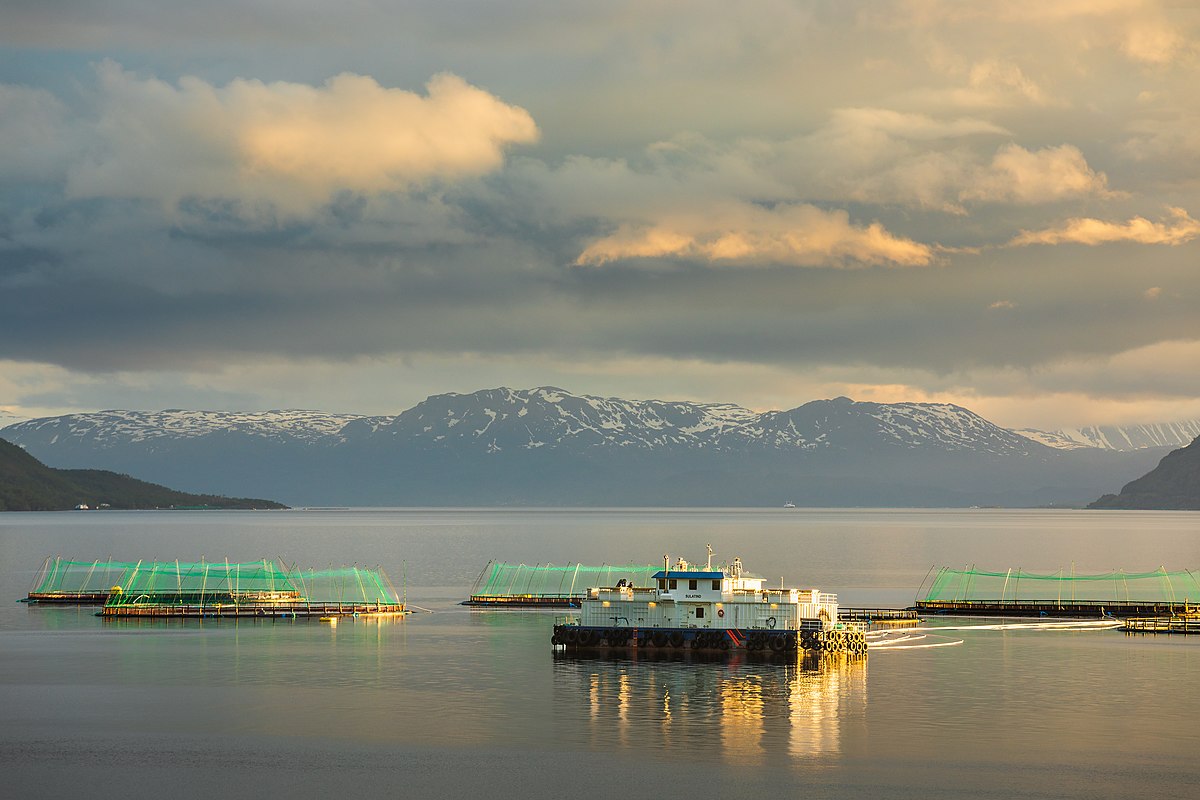
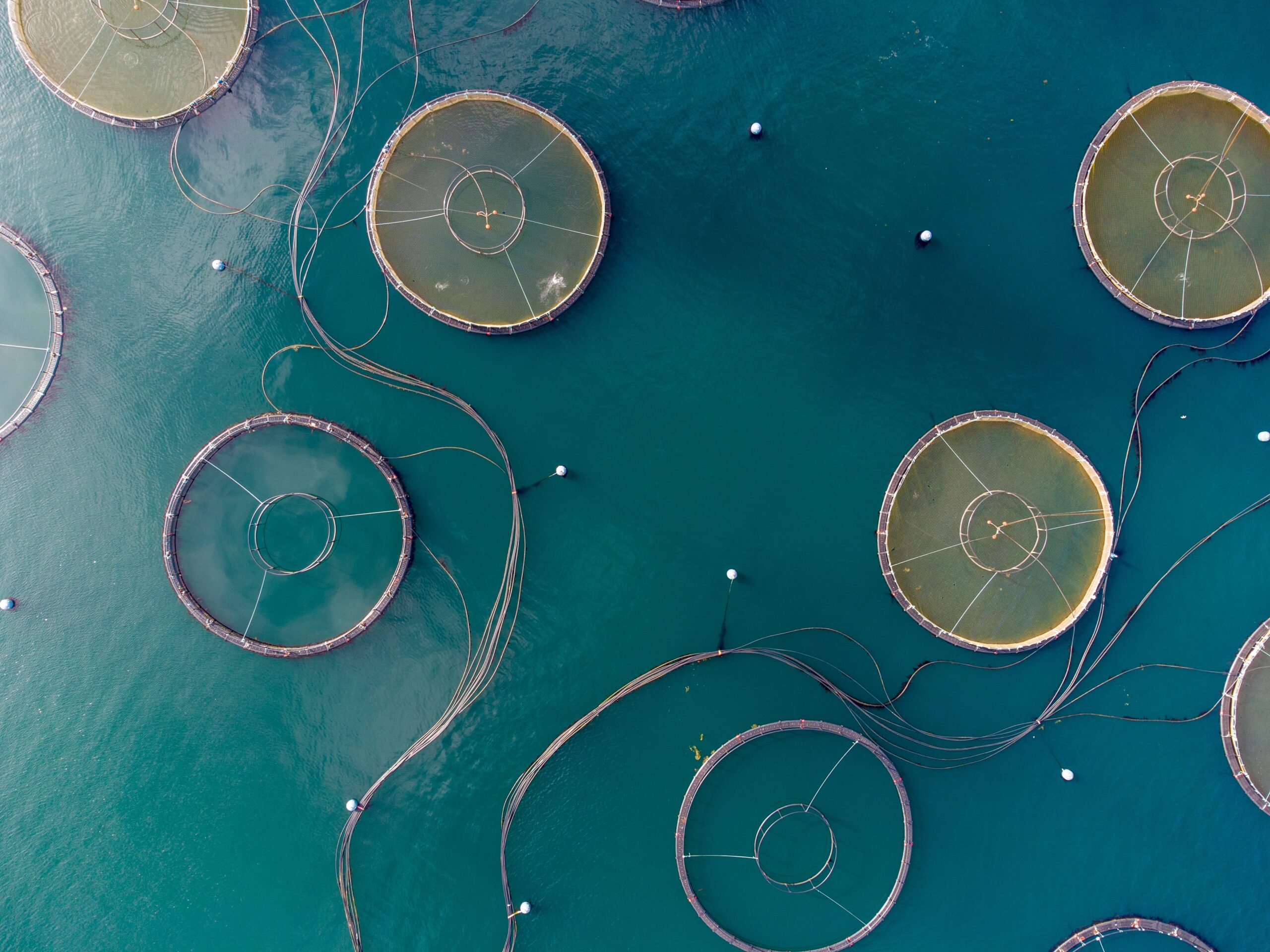
The aquaculture industry is a central contributor to value creation in Norway, but its exposure to infectious diseases makes it vulnerable and can have serious consequences for fish welfare, production, and economic performance. This vulnerability makes risk assessment and preventive measures essential management tools, although such measures can at times be costly and challenging to implement.
We develop models that make it possible to assess infection risk and the effects of different measures before they are implemented. Our work focuses on issues related to salmon lice, pancreatic disease (PD), and infectious salmon anaemia (ISA), among others.
This work supports decision-making related to vaccination, the sanitation of infected stocks, and the organisation of production, with the overall aim of reducing disease burden and the risk of new outbreaks. It provides a stronger basis for evaluating measures in relation to risk, costs, and and long-term sustainability in production.
To learn more about our work in fisheries and aquaculture, get in touch.
Our partners include
- Akvaplan-niva
- Aqualife R&D
- Bjørøya
- Blue Lice
- BluePlanet
- Cargill
- Harbor
- INAQ
- Landbasert Akvakultur Norge
- Mowi
- NCE Aquaculture
- Norwegian Meteorological Institute
- Norsk Oppdrettsservice (NOS)
- Norwegian Veterinary Institute
- Pharmaq
- Sintef Ocean